

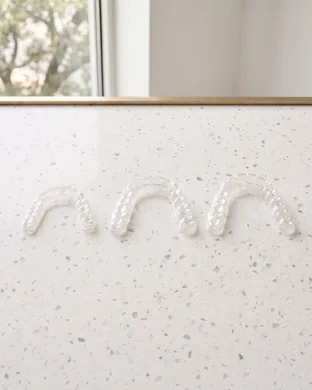
Phase 1 (interceptive) treatment
Phase 1 treatment, filed in the American Association of Orthodontists’ glossary as Phase One (Phase I) treatment, is orthodontic treatment performed to intercept or correct a developing problem, usually in younger patients who have a mix of baby and permanent teeth.
Phase One in the AAO’s glossary and two-phase guide
Phase 1 treatment is the first stage of what the American Association of Orthodontists (AAO) calls two-phase orthodontic treatment. Its Glossary of Orthodontic Terms files the term as Phase One (Phase I) Treatment: “Orthodontic treatment performed to intercept or correct a developing problem. Usually performed on younger patients that have a mixture of primary (baby) teeth and permanent teeth.”
The AAO’s guide to two-phase care names both stages: “Two-phase orthodontic treatment consists of Phase One (early, interceptive treatment) and Phase Two (comprehensive treatment).” Early treatment is the everyday name, and the AAO’s page on braces and baby teeth uses it as well, calling Phase 1 early or interceptive orthodontic treatment.
When Phase 1 comes up, and for which children
Phase 1 usually comes up while a child’s mouth holds both baby and permanent teeth, and the AAO’s two-phase guide places both stages by that mix: “Phase One usually begins when a child still has a mix of baby and permanent teeth, and Phase Two generally begins later when most or all permanent teeth are in.”
The AAO and the American Academy of Pediatric Dentistry (AAPD) both stop short of recommending it for every child. The AAO writes: “Most importantly, Phase 1 treatment is not necessary for every child. Many orthodontic problems can and should wait until later.” The AAPD’s guideline, discussing interceptive treatment, says treatment “may not be indicated for every patient with a developing malocclusion.” For a parent, Phase 1 is a question about one child’s bite, answered at an examination, rather than a stage every child goes through.
Phase 1 and the practice’s own early treatment lines
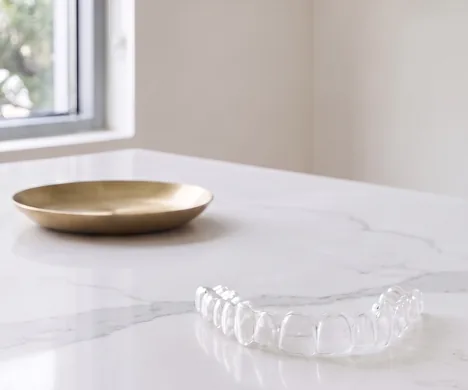
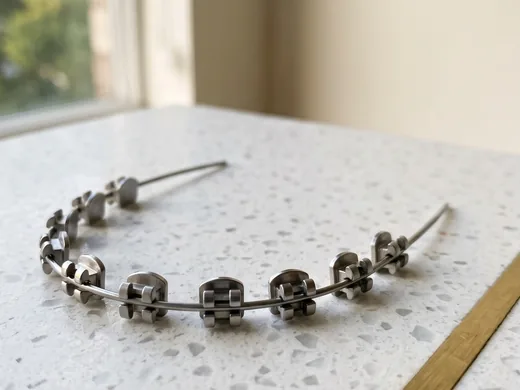
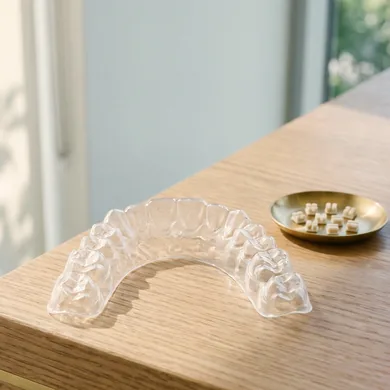
For Phase 1, the practice’s own lines use the everyday name, early treatment. Dr. Kunik’s approach to early treatment is very conservative. The same lines name the tools as expanders, Invisalign® First, braces, and habit appliances.
The page about treating children and teens lays out the tools, the evidence on early treatment and what happens at a child’s first visit. The glossary’s children’s teeth terms include mixed dentition, the stage Phase 1 usually starts in, and space maintainer.
Sources
- American Association of Orthodontists, Orthodontic Glossary: Braces & Dental Terms Defined
- American Association of Orthodontists, Two-Phase Orthodontic Treatment: Phase 1 & 2 Braces Guide
- American Association of Orthodontists, Can You Get Braces With Baby Teeth?
- American Academy of Pediatric Dentistry, Management of the Developing Dentition and Occlusion in Pediatric Dentistry
Ask whether Phase 1 treatment fits your child at a consultation
Pick My child in the request band at the foot of this page, and name early treatment as your question.
Domain, Downtown and Westlake: Monday to Thursday, 8:15 a.m. to 5:00 p.m.Updated .