Pick the one on your way. The Domain office is at 11821 Rock Rose Ave #140, Austin, TX 78758; the Downtown office at 830 W 3rd St #1138, Austin, TX 78701; the Westlake office at 3423 Bee Caves Rd, C202, Austin, TX 78746.
Each office’s drive-up film, the sign to look for at its door and where to park are on our Find us page.
Find usDomainDowntownWestlake
11821 Rock Rose Ave #140, Austin, TX 78758. Look for 140 beside the round k sign.
Our location in The Domain is situated within the bustling retail, office, and residential area some call Austin’s “second downtown.”
On the way in: Purple Garage, Green Garage, Rock Rose Ave, Perry’s.
Monday to Thursday, 8:15 a.m. to 5:00 p.m.Call DomainGet DirectionsShow this office
830 W 3rd St #1138, Austin, TX 78701. Look for 1138 at the door.
On the way in: Bowie St, 3rd Street location, Garage Parking across from Trader Joe’s, Walter Seaholm.
Monday to Thursday, 8:15 a.m. to 5:00 p.m.Call DowntownGet DirectionsShow this office
3423 Bee Caves Rd, C202, Austin, TX 78746. Look for 202 on the suite door glass.
Our location in West Lake is situated within a beautiful and convenient area of Austin.
On the way in: Acton Academy, Primrose, Sway, Kunik Ortho 2nd Floor. Elevator to the second floor.
Monday to Thursday, 8:15 a.m. to 5:00 p.m.Call WestlakeGet DirectionsShow this office
Domain: You’ll find free, validated parking in the purple garage, and the elevator there will put you just a few feet from our office in Suite 140.
As our directions page for Georgetown read on January 15, 2026.Downtown: Garage parking is validated, and elevators provide easy access.
As our directions page for South Austin read on March 8, 2026.Westlake: Free surface parking and ground-level entry make arrival easy.
As our directions page for Dripping Springs read on February 16, 2026.Find us
In a straight line, The Domain and Downtown are about 9.6 miles apart, Downtown and Westlake about 3.1 miles, The Domain and Westlake about 10 miles.
Find us
Monday to Thursday, 8:15 a.m. to 5:00 p.m., at all three offices: Domain, Downtown and Westlake.
Call DomainCall DowntownCall Westlake
If you call our regular phone number after hours, you will hear the phone number of the person on call.
Call DomainCall DowntownCall Westlake
Call an office. If you call our regular phone number after hours, you will hear the phone number of the person on call.
Nothing on this page is advice.
Call DomainCall DowntownCall WestlakeText (512) 327-8818What counts as an emergency
Text (512) 327-8818, call an office, or email contact@drkunik.com.
Monday to Thursday, 8:15 a.m. to 5:00 p.m.
Text (512) 327-8818Email contact@drkunik.comCall DomainCall DowntownCall Westlake
Consultations are always free of charge. Use the Schedule Free Consultation button on this page, call an office, or text (512) 327-8818.
You do not need a referral.
Schedule Free ConsultationText (512) 327-8818
Dr. Randy Kunik, DDS. Orthodontist in Austin since 1991, and the one you’ll see at every visit, at all three offices. He listens first; the plan comes after.
Licensed by the Texas State Board of Dental Examiners since 1987. Doctor of Dental Surgery (DDS), University of Texas Dental Branch at Houston, 1987. Orthodontic specialty training, University of Texas at Houston. Member, American Association of Orthodontists (AAO).
Kunik Orthodontics started in Westlake, TX, and currently operates three locations throughout the Austin area.
Dr. Kunik
With Dr. Kunik as your only doctor, you’ll receive consistent care and attention throughout your treatment. The American Association of Orthodontists lists Dr. Kunik at all three offices.
Dr. Kunik
We’re a local practice with deep roots in the Austin community.
Mya, Orthodontic Assistant. Noel, Administrative Coordinator. Ronnie, Administrative Lead. Bailee, Treatment Director. Beth, Treatment Coordinator. Brianna, Orthodontic Assistant. Chelsea, Orthodontic Assistant. Gerri, Insurance/Financial Coordinator. Maria, Clinical Lead.
Supervising dentist: Dr. Randy Kunik, DDS
The team roster is as the practice publishes it.The team
Five things that are settled before you have sat down:
You do not need a referral. Insurance verified before your first visit No-paperwork appointments Minimal wait times We offer flexible scheduling across our three locations to accommodate your busy lifestyle.
Schedule Free ConsultationThe first visit, in full
Consultations are always free of charge.
Nothing, until you decide.
Schedule Free Consultation
You do not need a referral.
Schedule Free ConsultationText (512) 327-8818
If you have a plan from elsewhere, we are happy to be a second opinion.
Consultations are always free of charge.
Schedule Free Consultation
Tell him what you want. Not what you think you should want. The crowding that bothers you, the one tooth, the timeline you actually have.
Dr. Kunik is here to listen to your smile goals, listen to your timeline, and listen to what is most important to you.
The consultationThe first visit, in full
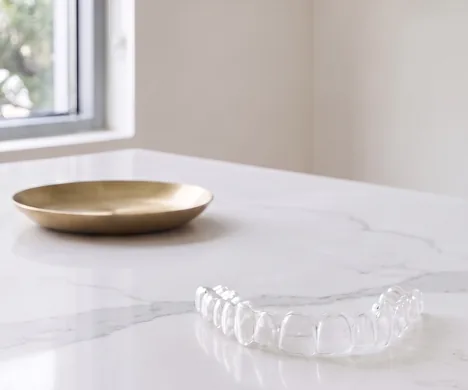
Your Invisalign aligners are fully removable for meals, giving you complete flexibility for eating.
2026 Invisalign® Sapphire Provider, a designation of Align Technology
Read at Align’s Doctor Locator on October 31, 2026iTero digital scans
Invisalign® treatmentSchedule Free Consultation
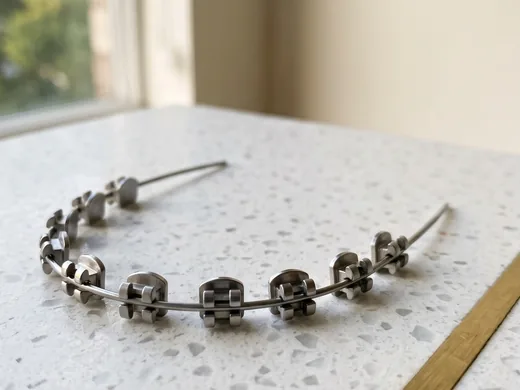
Braces are well suited to both major and minor orthodontic cases. They consist of clear or metal brackets attached to each tooth.
Metal Braces / Ceramic Braces
BracesSchedule Free Consultation
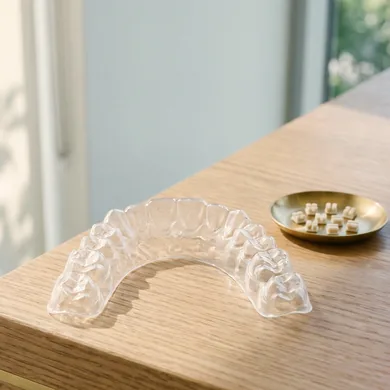
We may adjust your braces, provide new aligner sets, or transition between methods as your treatment progresses.
The Braces Phase / The Invisalign Phase
HybridSchedule Free Consultation
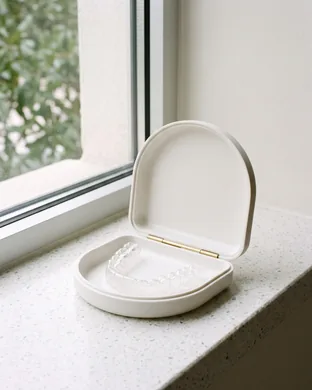
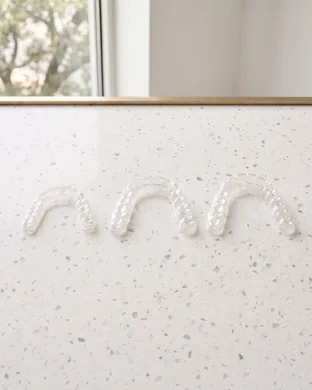
A dental retainer is a custom-made appliance that maintains the position of your teeth after orthodontic treatment. We offer permanent retainers or clear removable retainers.
Clear Removable Retainers / Fixed Retainers
RetainersSchedule Free Consultation
At Kunik Orthodontics, we provide age-appropriate treatment options from early intervention for children to discreet solutions for adults.
AdultsSchedule Free Consultation
The American Association of Orthodontists recommends children have their first orthodontic evaluation by age 7. We start seeing kids at age 7 to watch their growth.
Dr. Kunik’s approach to early treatment is very conservative.
Early treatment: expanders, Invisalign First, braces, and habit appliances
Children and teensSchedule Free Consultation
Dr. Kunik’s approach to teen orthodontic treatment is compassionate and considerate, informed by his own experiences as a parent.
Children and teensSchedule Free Consultation
We accept most major insurance plans and work with you to maximize your orthodontic benefits. Our team will help you understand your coverage and file claims on your behalf. Insurance verified before your first visit. HSA and FSA accepted. Payment plans available.
Schedule Free ConsultationText (512) 327-8818
Consultations are always free of charge. Payment plans available. HSA and FSA accepted.
What your treatment would cost is a question for the visit. Bring your questions to the visit, or text (512) 327-8818.
Schedule Free ConsultationText (512) 327-8818
How the practice uses and protects your health information is set out in its Notice of Privacy Practices.
Notice of Privacy PracticesPrivacy
No. This panel answers from the text of this site and runs entirely in your browser: it sends nothing, stores nothing and keeps no record of what you tap or type.
The site has no contact form: the ways to reach the practice on it, text, phone and email links, open in your own apps, and what you send that way goes to the practice through your own carrier or mail service, not through this site.
Text (512) 327-8818Email contact@drkunik.com
That one is not on this site. Text (512) 327-8818, call an office, or bring your questions to the visit.
Text (512) 327-8818Call DomainCall DowntownCall WestlakeMore questions, answered