

What decides how long braces or aligner treatment takes?
A treatment time printed on a website describes someone else’s teeth. This page names what decides yours, in the words of the American Association of Orthodontists and published research, and gives no timeline at all.
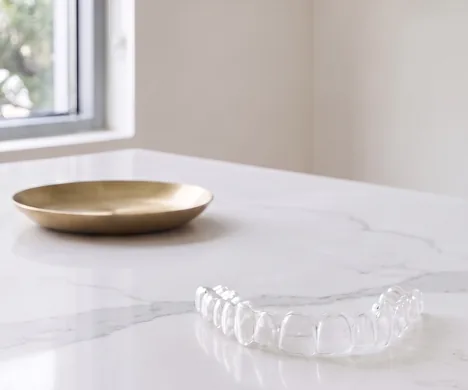
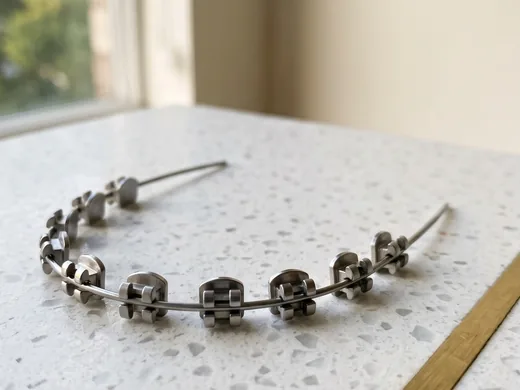
Treatment time depends on the case and the patient. The American Association of Orthodontists names the severity of the problem being corrected, the type of treatment and age, and says wearing elastics or aligners as prescribed, keeping appointments and fixing broken brackets promptly keep treatment on track. An orthodontist estimates each patient’s treatment length after an exam, and the AAO says neither braces nor aligners has a built-in speed advantage.
Why no number on this page is your treatment time
Treatment times in studies and on websites are averages and ranges for other people’s teeth, so none of them is yours. The American Association of Orthodontists (AAO) makes the same point: “Your case, your bite, and your timeline are specific to you, and an orthodontist is the only one who can tell you what to expect from here.”
That is why this page names the factors and leaves the number to an exam. The estimate for your teeth is Dr. Kunik’s to make once he has examined them.
Severity, tooth movement, age and the appliance: the factors the sources name
Severity leads the AAO’s list of what sets the length: “Treatment length depends on the severity of the problem being corrected and the type of treatment used.” The AAO’s page on clear aligners describes the same thing as movement: “The number of aligners and treatment times needed to correct misaligned teeth varies based on the individual’s orthodontic issues and the movements needed to correct them.”
Age works through bone and growth. The AAO says “Adult teeth are more firmly set in the jaw, so treatment can take longer for adults than for children or teens,” and its guide for adults notes that “adults are no longer growing.”
Between braces and aligners, the AAO says “Neither option has a built-in speed advantage,” and that “How fast treatment moves depends more on your specific case and how consistently you wear whatever’s prescribed than on which type of appliance you’re using.” Published reviews do not settle the comparison: an overview of systematic reviews comparing clear aligners with fixed braces reported “conflicting results regarding treatment duration.”
Elastics, aligner wear, appointments and repairs: what the patient controls
Part of the timeline is in the patient’s hands, and the AAO names that part: “Wearing elastics or aligners as prescribed and keeping your appointments keeps treatment on schedule, while a lost aligner or a loose bracket can set things back.”
Aligners come out, so their wear depends on the person wearing them. The AAO’s article on clear aligner therapy says “the success of clear aligner treatment heavily relies on your compliance” and that “inconsistent aligner wear can hinder your progress, extending the length of treatment or compromising the results.” The daily wear the sources ask for is on the page about how clear aligners are worn.
Repairs and dental health count as well. The AAO tells braces wearers to “report any broken brackets or loose wires as soon as they happen,” because “The sooner you schedule an appointment to fix your braces, the less likely you’ll need to add additional time to your treatment to get everything back on track.” It adds that “Cavities or gum problems that come up mid-treatment can slow things down too, so keep seeing your family dentist for regular cleanings during treatment.”
When the plan changes partway: refinements, new aligners and a switch of appliance
A plan can change once the teeth start moving, and a change adds steps. In a randomized trial comparing aligners with braces in simple cases, patients whose malocclusion correction was judged unsatisfactory were brought in “for a refinement scan to fabricate additional aligners,” and in that trial each refinement added to treatment time.
A cohort study of patients in Invisalign® treatment without extractions found that they needed refinement plans and were prescribed more aligners than their initial plans predicted, a finding about that group of patients rather than a rule for anyone else.
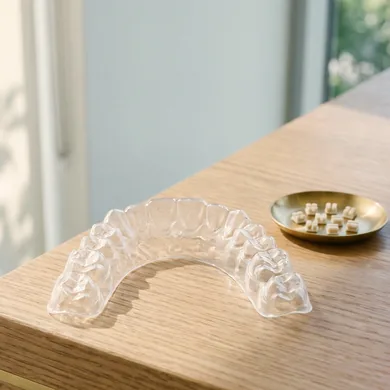
A change of appliance is a change of plan as well. The practice’s own description of Hybrid treatment puts it this way: We may adjust your braces, provide new aligner sets, or transition between methods as your treatment progresses. Its phases are laid out on the Hybrid treatment page.
Refinements and changes are decided during treatment, by the orthodontist, as the teeth respond, which is why an estimate made at the start can move.
Your own estimate, made after Dr. Kunik examines your teeth
Your treatment length is an estimate made for your teeth after an exam. The AAO says “After your exam, your orthodontist will estimate your treatment length,” and its guide to the initial appointment says that with a proposed plan “You’ll also learn about the expected duration of treatment.”
Dr. Kunik is here to listen to your smile goals, listen to your timeline, and listen to what is most important to you. If you have a date in mind, say so at the consultation; My calendar is among the answers the request on this page offers to What is most important to you.
Consultations can be at The Domain, Downtown or Westlake office; directions to all of them start at Find us. Answers to other questions about braces, aligners and consultations are gathered in the questions hub.
More on what moves a treatment timeline
Why can treatment-time estimates differ between orthodontists?
Estimates differ because plans can differ. The AAO says “Treatment planning involves professional judgment, so ask each provider to explain their reasoning,” and it ties treatment length to the type of treatment used. A plan built on a different appliance or sequence can carry a different estimate, so ask each orthodontist what the estimate assumes.
How do missed appointments affect treatment time?
The AAO lists keeping your appointments, along with wearing elastics or aligners as prescribed, among the things that keep treatment on track, and it says “The number of visits depends on your specific case.” What a missed visit means for your own timeline depends on where your treatment stands, so ask Dr. Kunik at the next appointment.
Sources
- American Association of Orthodontists, What to Expect During Orthodontic Treatment
- American Association of Orthodontists, Clear Aligners
- American Association of Orthodontists, Clear Aligner Therapy: How Transparent Aligners Work
- American Association of Orthodontists, Oral Hygiene Tips During Orthodontic Treatment
- American Association of Orthodontists, How Old is Too Old for Braces?
- American Association of Orthodontists, What Happens at Your First Orthodontic Appointment? A Step-by-Step Guide
- Yassir and colleagues, Clinical Oral Investigations, Clinical effectiveness of clear aligner treatment compared to fixed appliance treatment: an overview of systematic reviews
- Lin and colleagues, The Angle Orthodontist, Differences in finished case quality between Invisalign and traditional fixed appliances: A randomized controlled trial
- Meade, Ng and Weir, Journal of Orthodontics, Digital treatment planning and clear aligner therapy: A retrospective cohort study
Bring your timeline to a consultation with Dr. Kunik
Consultations are always free of charge. Send a consultation request from this page, or call the office of your choice.
Domain, Downtown and Westlake: Monday to Thursday, 8:15 a.m. to 5:00 p.m.Updated .